Many marriages fail because expectations are never discussed, finances are avoided, and time together fades as responsibilities grow. When couples stop planning and working toward shared goals, distance builds. How divorce is handled can also affect families long after the marriage ends.
When Expectations Are Never Discussed

One of the most common reasons marriages fail is unmet expectations. When you enter a marriage, there is often an unspoken belief that the happiness you feel early on will continue during the entire marriage. Love, excitement, and shared dreams can create the expectation that life together will always feel easy.
Over time, real life brings responsibilities, stress, and change. If you and your spouse never talked about expectations around money, work, children or long-term goals, those differences can surface later in painful ways. Many couples discover they were never on the same page – they just assumed they were.
When Financial Conversations Are Avoided
Finances are one of the biggest sources of tension in marriage, often because they were never discussed clearly. A prenuptial agreement before the wedding can help couples address financial expectations early on, before stress and resentment enter the picture.
A prenup does not have to be threatening. For many people, it provides security by addressing difficult topics early, when the couple can speak openly and calmly. These conversations often lead couples to talk about broader planning as well, including wills and estate documents. Working through these issues together in advance can reduce uncertainty later and help both people feel more prepared for a future together.
When Children Become the Only Focus
After children arrive, your time and energy naturally shift. Many couples slowly drift apart, not because they stop caring, but because every available moment goes toward parenting. Over time, the relationship itself can fade into the background.
Time together rarely happens on its own. In a culture built around instant gratification, anything not planned often gets pushed aside. Creating routines, such as a shared vacation each year or regular time set aside together, helps keep the relationship strong.
When Values Are Not Aligned
For some couples, shared spiritual or faith-based values provide a stronger foundation for a marriage. When you and your spouse are aligned in your beliefs and goals, challenges often feel easier to face together. Shared faith can help keep a marriage grounded during challenging times.
How Divorce Is Handled Matters
Not every marriage lasts. When divorce becomes unavoidable, the way it is handled can make a lasting difference for your family.
Collaborative Divorce offers a way to work through issues together rather than turning the process into a fight. Instead of entrusting these life-changing decisions to a stranger in a black robe, both spouses focus on problem solving and reaching agreements together, with the help of a professional team, which reduces unnecessary conflict.
This cooperative approach is especially important when children are involved. By reducing conflict and keeping matters private, Collaborative Divorce helps limit emotional harm and supports healthier co-parenting after the marriage ends.
Contact Paula Lock Smyth Law Offices
If you are thinking about divorce or need guidance on your options, Paula Lock Smyth Law Offices provides clear legal support focused on your goals and your family. To schedule a consultation, call (214) 420-1800.
Our office is located at 2911 Turtle Creek Blvd., Suite 300, Dallas, Texas 75219.
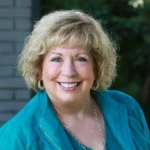
Paula Lock Smyth has practiced law in Texas since 1985, focusing on Family Law, Probate, Mediation, and Collaborative Divorce. She is a trained mediator, seasoned litigator, and one of the early adopters of Collaborative Divorce in Texas. Paula is a member of the State Bar of Texas, the College of the State Bar and the Texas Bar Foundation and has served as Past President of Dallas Lawyers Concerned for Lawyers. She was a Master in the Annette Stewart Inn of Court and is a Charter Member of the Collaborative Law Institute of Texas. Her legal knowledge and decades of experience make her a trusted voice on matters that impact families across Dallas and surrounding counties.